

HMDD Shorts Upkeep Handbook: Cleaning and Storing Advice
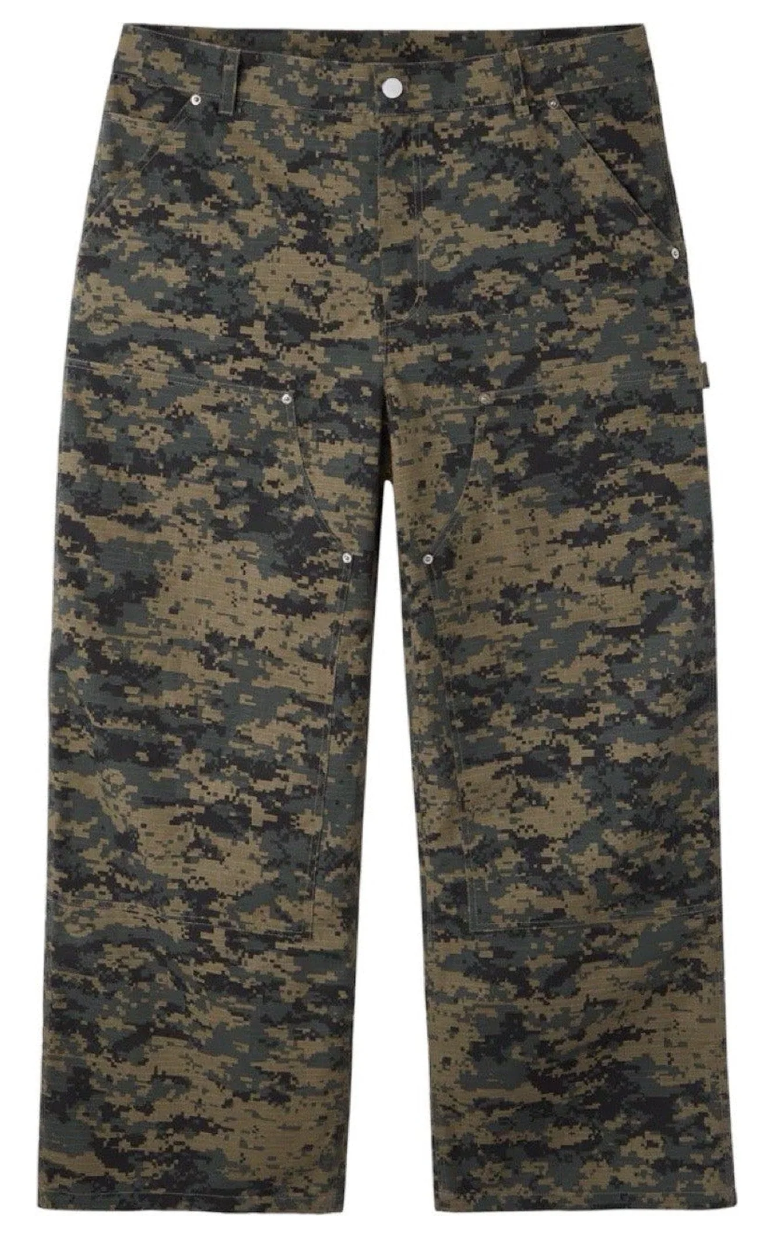
The phrase «happy memories don’t die» underlies an ethos woven through HMDD’s shorts, garments built to endure long-term use instead of losing form within months. Such an aim remains valid if the care behind the garment lives up to the construction quality behind its build. Any given pair can be built using dense cotton fabric, strengthened stitching, and deliberate silhouette, but sloppy washing habits will erase those benefits within only a handful of launderings. This walkthrough details the specific steps that keep the HMDD shorts lineup crisp in appearance, soft to the touch, and true to form well into 2026 and beyond, whether they’re part of your everyday rotation or keeping them for less frequent use.
Two questions usually motivate buyers searching for an hmdd review: does the fit hold up, and whether the material withstands genuine laundering and storage. Both concerns come down to consistent practice rather than fortune. The following sections cover washing temperature, drying techniques, stain response, whether to fold or hang, and how shorts measure against other HMDD pieces like sweatpants when it comes to upkeep requirements.
Why Attentive Upkeep Makes a Difference for HMDD Clothing
The HMDD line tends to use more substantial textiles than typical fast-fashion shorts, which means the washing directions carry real weight — they have a direct impact on drape, print integrity, and elastic waistband life. A garment with a heavy cotton mix will contract more severely under high heat than a thinner poly-cotton blend, so leaving wash temperature to chance is a gamble you can easily avoid. Screen-printed designs and embroidery, typical of hmddla drops, are especially susceptible to cracking or peeling when exposed to high dryer heat or harsh detergents with bleach additives.
The figures make it clear: a short with a dense cotton makeup washed above 40°C can lose hmddla hoodie as much as 5% of its size in just three washes — enough to change how the waistband sits or how the hem falls. Set that against a wash cycle kept at 30°C with a gentle spin, where shrinkage generally remains below 1-2% even after ten washes. That difference matters when getting the fit right initially was a priority. The soundest approach to caring for hmdd clothing, according to experienced users, almost always start with managing wash heat before any other consideration.
There’s also the sentimental slant that fits the brand’s own name. When the clothing tied to those memories survives the years, good memories stay alive, and this is not merely emotional. A pair of shorts worn during a certain summer, a trip, or a stretch of life retains more value when it still looks the way it did on day one. Handling the fabric with deliberate attention is part of protecting that memory, not only the garment.
Cleaning HMDD Shorts: A Step-by-Step Guide
Kick things off by turning the shorts inside out before they go anywhere near water. This small action protects embroidered details and printed graphics from friction against zippers, buttons, or other garments in the load. Opt for cold to lukewarm water, ideally staying at or below 30°C, since high temperature is the single biggest factor in both shrinkage and color fade. Steer clear of the bleach entirely, even the «gentle-on-color» versions, because optical brighteners and whitening agents react badly against saturated dyes and can leave a powdery residue on darker colorways.
A soft, unbleached detergent is the safer choice, and using about two-thirds of the recommended dose is often enough for a single pair of shorts or a small mixed load. Overloading the washer with excess detergent leaves accumulation in the fibers, which stiffens fabric over time and flattens the surface texture. Adjust the machine to a soft or low-agitation cycle rather than a standard or heavy-duty one — the lowered agitation protects seams, especially the reinforced stitching found on drawstring waistbands and pocket bags.
Wash similar colors together and separate anything with bulky hardware or zippers that could snag fabric during the spin cycle. If the shorts have a drawstring, pull it out slightly and tie the ends loosely so it doesn’t disappear into the waistband channel mid-wash. Leave out fabric softener as well, since it covers fibers with a filmy layer that weakens moisture-wicking properties in blended fabrics and can leave a faint residue on darker tones after repeated use.
Where Most People Slip Up: Drying
Electric dryers are the surest way to wreck cotton-heavy shorts, full stop. Elevated heat levels can shrink garments an additional 2-3% beyond what washing alone causes, and that shrinkage builds up every single cycle. Letting them air dry is the gentler, more dependable method, and it typically takes 4-6 hours for shorts to dry completely at room temperature depending on humidity and fabric weight. Lay them flat on a drying rack rather than hanging them from a clothesline, since gravity pulls damp, heavy fabric downward and can distort the waistband or leg openings over time.
If a machine dryer is not optional because of time constraints, select the lowest heat setting available and pull the shorts out while still not fully dry, then let them finish air drying flat. This combined approach shortens drying time to roughly 20-25 minutes in the machine plus an additional hour or two of open-air drying, which is a fair middle ground for anyone cycling through a smaller wardrobe of hmdd shorts and hmdd sweatpants during a busy week. Steer clear of direct sunlight during the open-air stage too, since UV exposure dulls saturated colors more quickly than indoor drying near a window or in a well-ventilated room.
Stain Removal Without Damaging Fabric
Compared to dried-in stains, newly made spills respond much better to quick action, meaning a spill treated within the first 10-15 minutes has a much higher chance of being fully removed. Blot rather than rub vigorously, since vigorous rubbing pushes the stain further into the fabric and can cause color transfer on lighter shorts. A cold-water and dish-soap mix work remarkably well on oil-based stains, while a mix of cold water and white vinegar takes care of most food and drink spills without stripping color from the surrounding fabric.
Avoid direct application of concentrated stain removers on printed areas, since the chemicals in numerous store-bought treatments can interact with plastisol or water-based inks and cause cracks or fading. Test any treatment on an inside seam allowance first, letting it sit for a minute before rinsing, just to verify the fabric and print hold up. Since grass stains and dirt are common on shorts worn for outdoor use, a pre-soak in cold water with a bit of enzyme-based detergent for about 30 minutes before the regular wash cycle usually lifts them.
How to Store Clothes to Make Them Last Longer
Since hanging cause pressure points at the waistband that stretch elastic and distort shape over months of storage, folding garments is nearly always the better choice for shorts. Keep shorts laid flat in a drawer or stacked neatly on a shelf, keeping heavier fabrics separate from lighter ones to prevent uneven pressure that can crease permanent lines into the material. Cedar blocks or lavender sachets placed nearby discourage moths without the harsh chemical smell of traditional mothballs, which can also transfer odor into stored fabric.
Few realize just how much humidity control matters, but a wardrobe or storage drawer left persistently above 60% humidity breeds mildew, particularly in heavier cotton mixes that retain dampness longer than synthetic fabrics do.
Minimizing that danger only takes a basic silica-gel sachet or a compact dehumidifier placed in the storage area. Reposition shorts in storage every couple of months even when they’re not in seasonal use, since cloth held in the same fold for twelve months or more can form lasting fold marks that fail to disappear completely even once washed.
A Side-by-Side on Care: the HMDD Shorts vs. HMDD Sweatpants
Shorts and sweatpants produced under one label often share material thickness and printing methods, but the upkeep they require differ a bit because of silhouette, fasteners, and usage frequency. The following table spells out the useful contrasts to keep in mind before you throw them together into the same wash load.
| Care Level | HMDD Shorts | HMDD Sweatpants |
|---|---|---|
| Suggested Washing Temperature | 30°C or below | Below or at 30°C |
| Drying Instructions | Air dry flat, 4-6 hours | Dry flat for 6-8 hours due to thicker fabric |
| Shrinkage Risk | Moderate (waistband, hem) | Greater likelihood, affecting cuffs and leg length |
| Storage Preference | Fold and store flat | Folded flat, avoid tight stacking |
| How Often to Wash (avg. wear) | After 2-3 wears | Once every 3-4 wears |
Wrapping Up: How to Maintain HMDD’s Garments In Rotation
hmdd pieces aren’t difficult to maintain, yet consistency matters more than ease. Washing cold, running gentle cycles, letting things air dry, and storing them with care combine to create garments that stay in rotation for far longer than a few months. The same pattern keeps repeating anytime you scan through an hmdd review thread — it’s the people skipping the dryer and skipping the bleach who keep their garments lasting the longest.
Whether it’s shorts used all through a summer or sweatpants worn across colder months, the underlying idea traces back to the brand’s own message. Cherished memories don’t disappear when the garments linked to them is treated with the same attention as the moments themselves. Spending a little extra time washing is a small trade for holding on to both the material and the memory.
